
Weather today – Cloudy and cool (58 F) in the morning. It warmed up to sunny and 84 F in the afternoon!
Today we are touring again with our TBL guide, Cristi. Today is a chance to take in local Bucharest sights. We are customizing his tour, Private City Tour of Bucharest, replacing the Parliament with the Spring Palace as we will tour Parliament with Viking tomorrow.
The online tour description is:
In half-day, I will be able to show the highlights of Bucharest and learn more about the history.
Lipscani District (the oldest section of the city). This area consists of a maze of narrow streets. It became the most important trade center of Romania, and nowadays is the place where the locals go out.
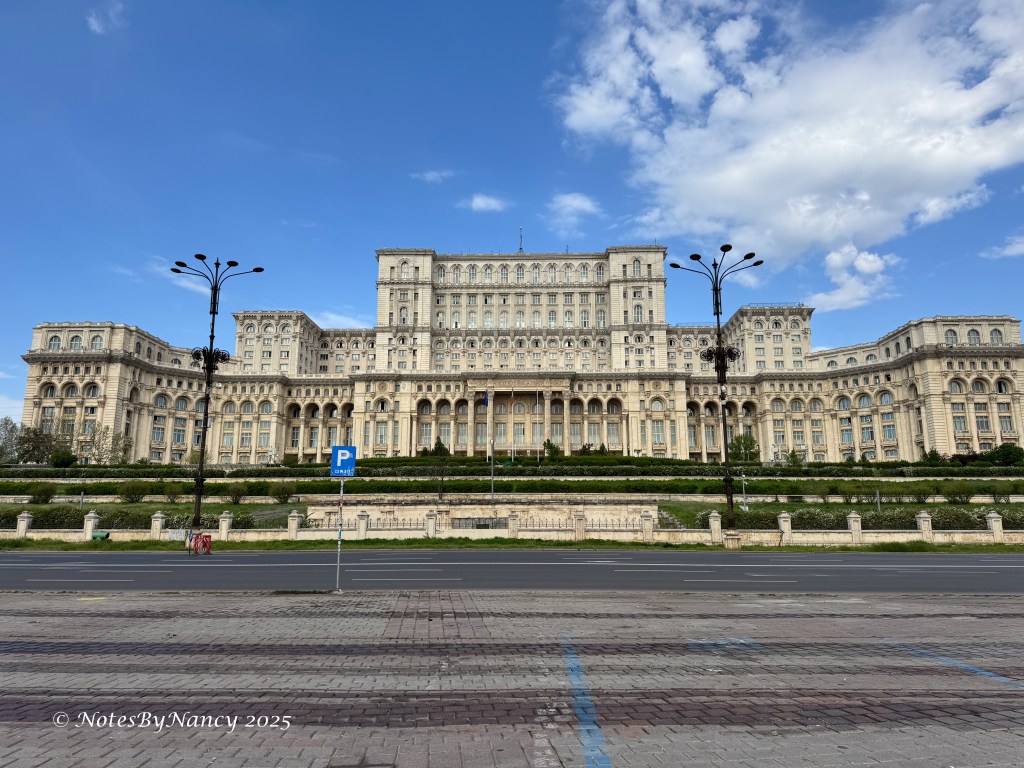
The Palace of the Parliament, the second-largest administrative building after Pentagon with more than 1000 rooms. We will visit the interior of the building.
Revolution square -The square gained worldwide notoriety when TV stations around the world broadcasted Nicolae Ceausescu’s – communist dictator of Romania, final moments in power. This was the place where Romania changed political regimes in 1989 from communism to democracy.
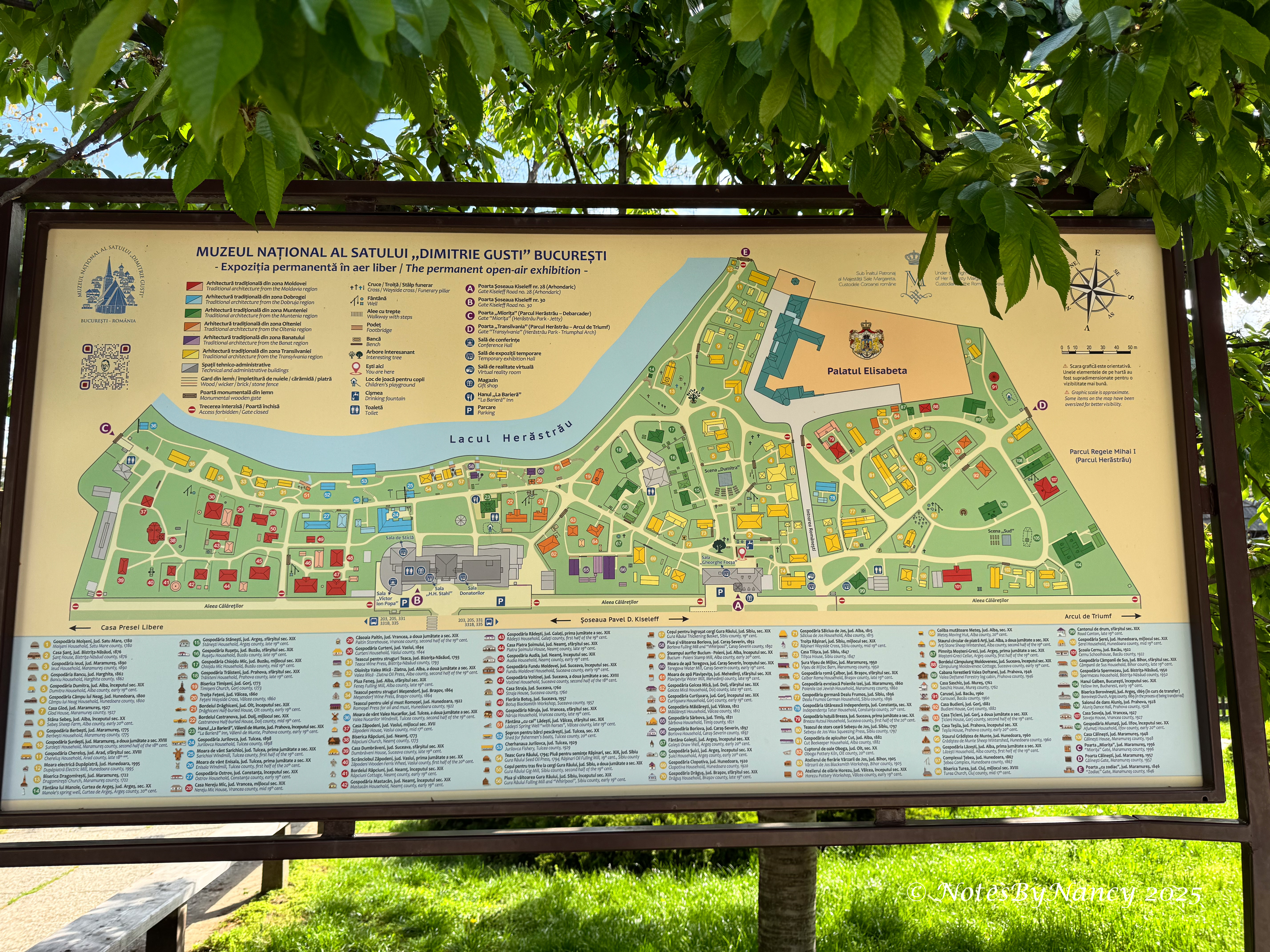
The village museum- a beautiful outdoor museum that includes more than 300 houses representing the history of Romania’s villages. We will walk through it.
I will be more than happy to share with you personal stories about my hometown during lunch, when we can try Romanian cuisine.
Dave wasn’t feeling well, so he decided to stay back at the hotel room and rest while I went ahead with the planned tour with Cristi.
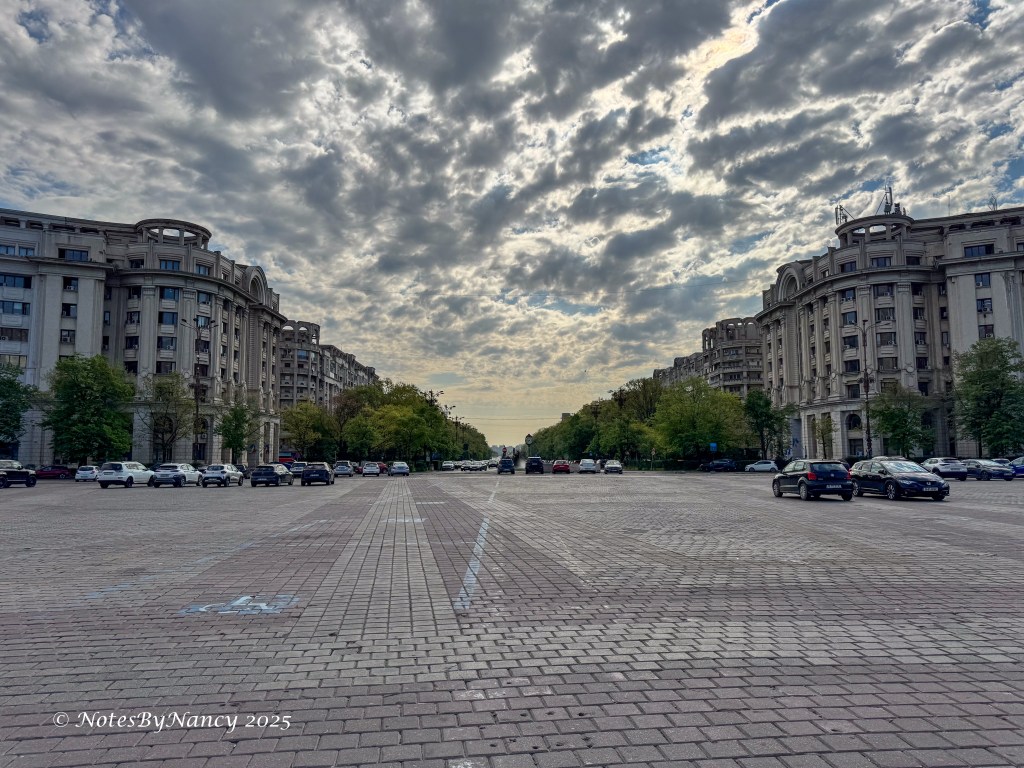
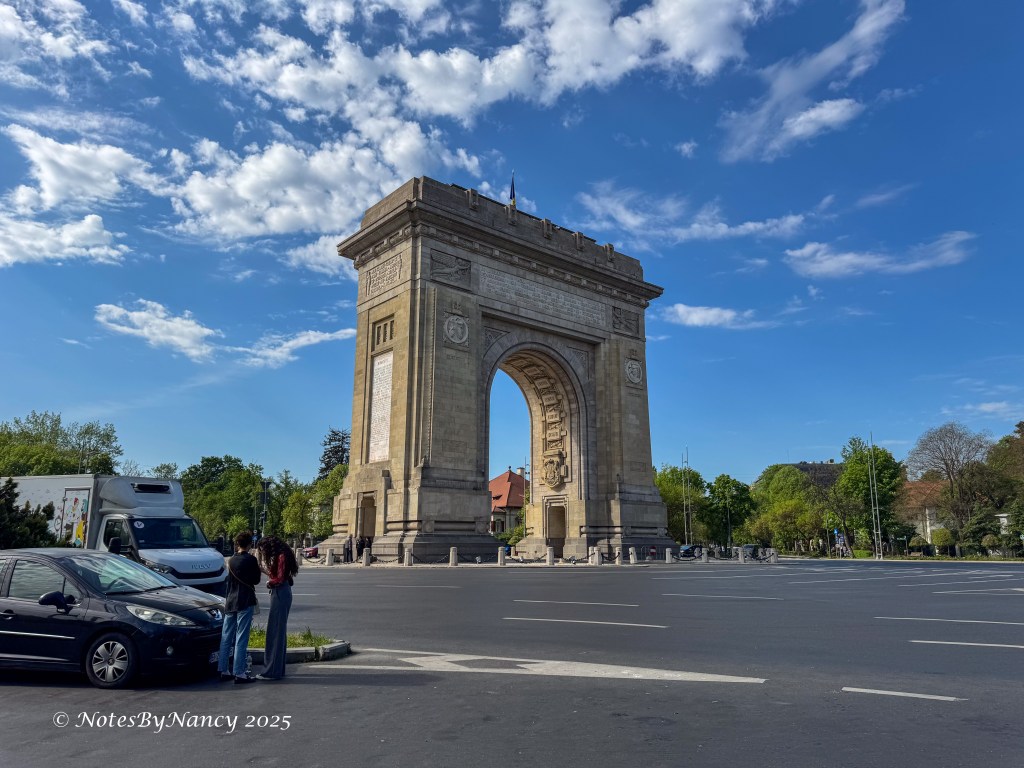
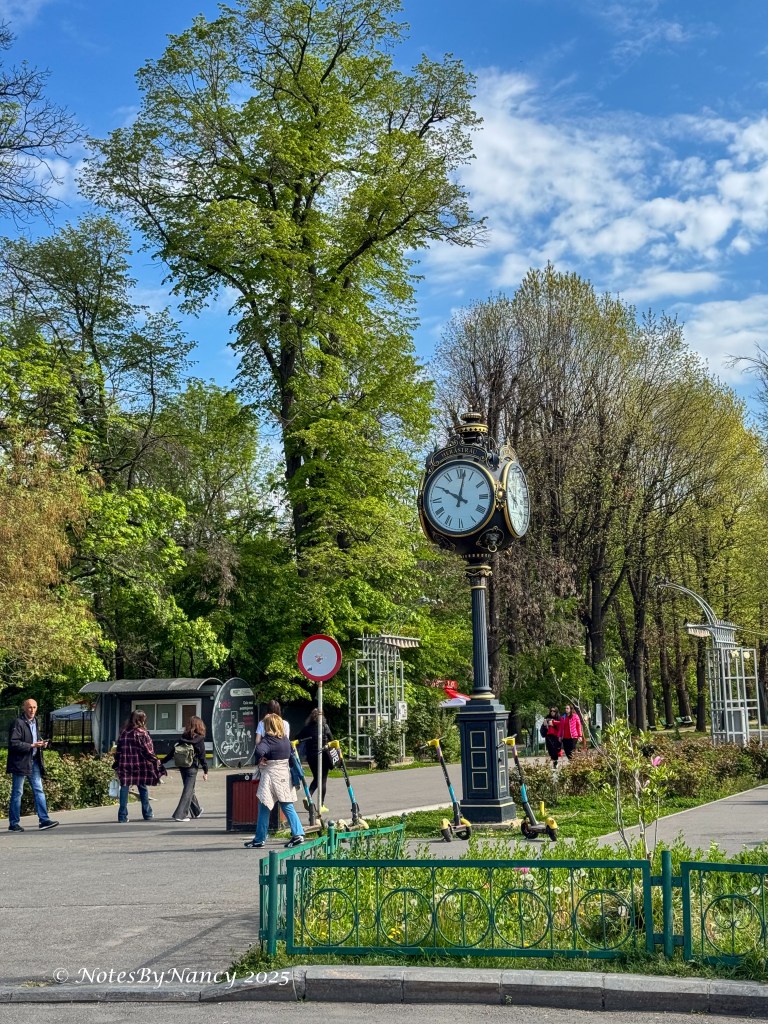
Cristi made a couple of quick photo stops at iconic Bucharest sights on our way to the Village Museum.
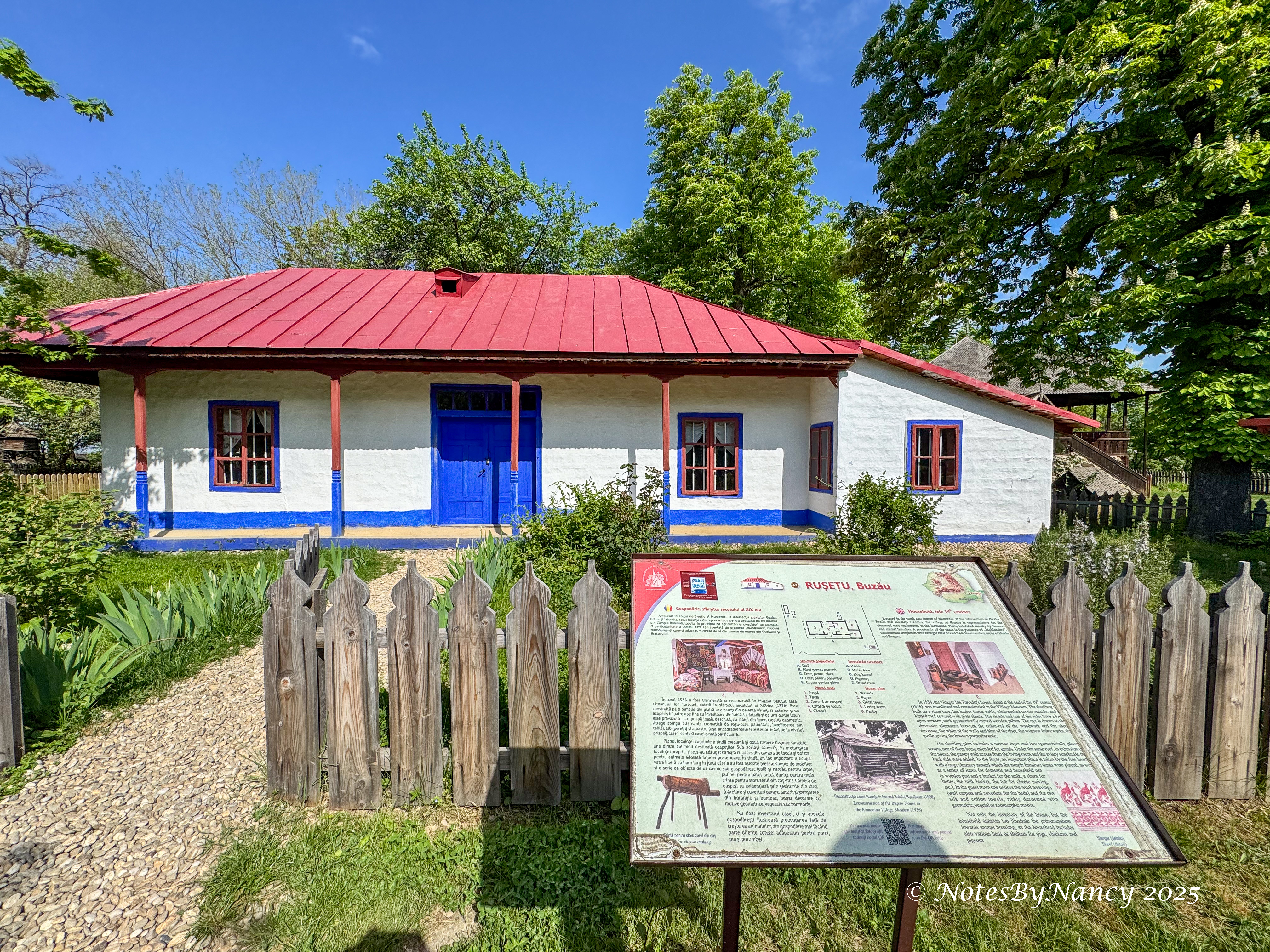
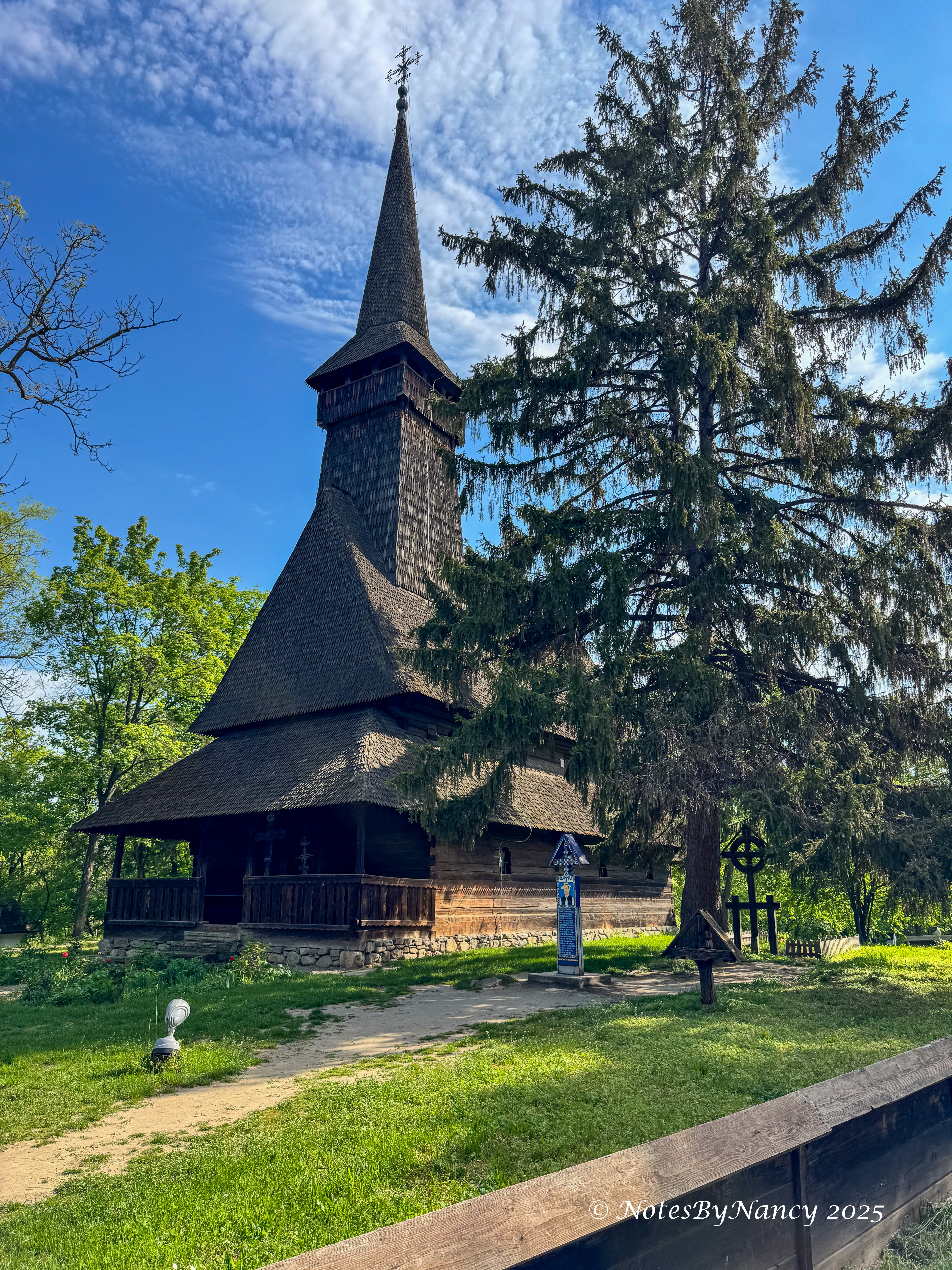
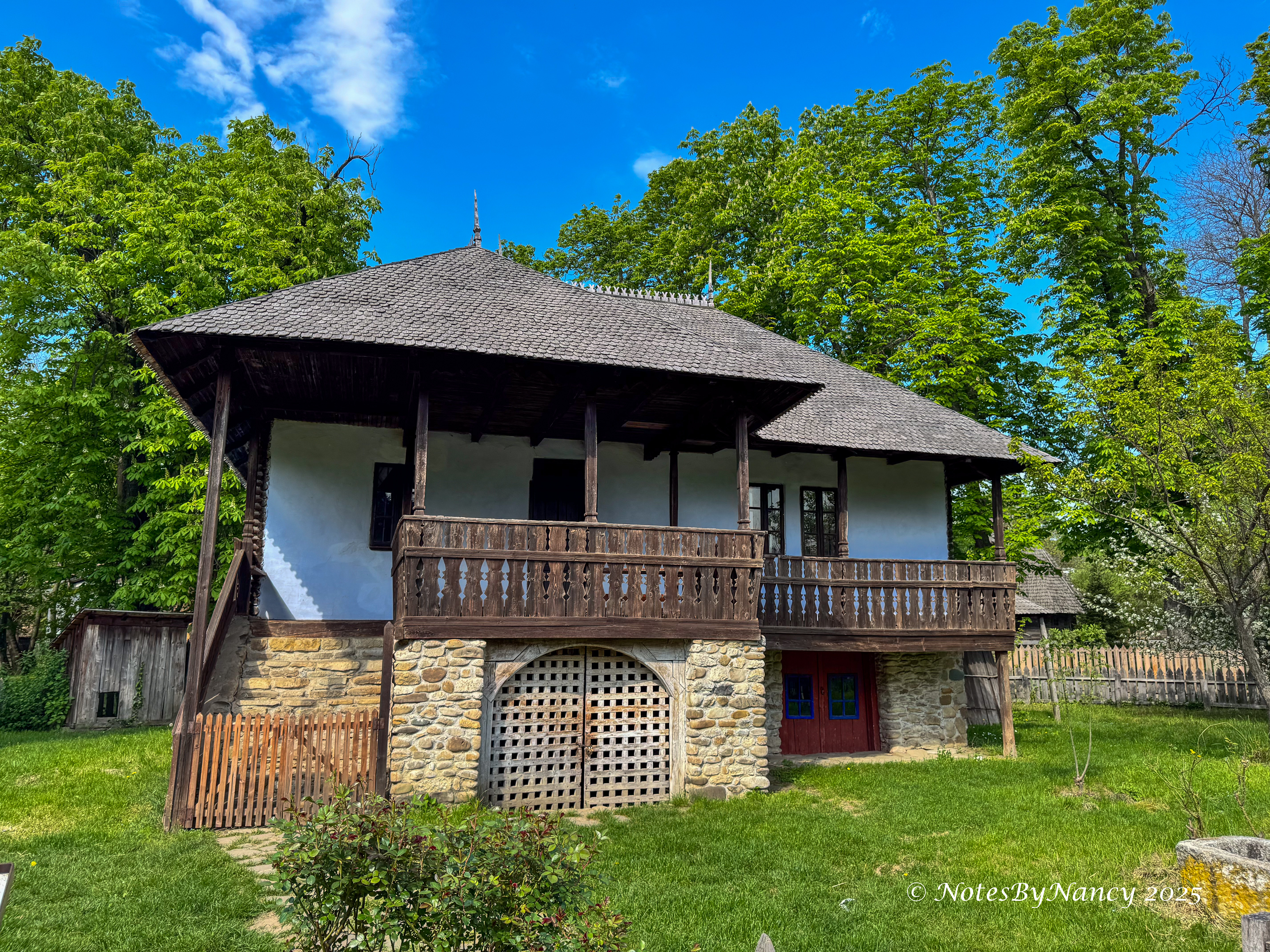
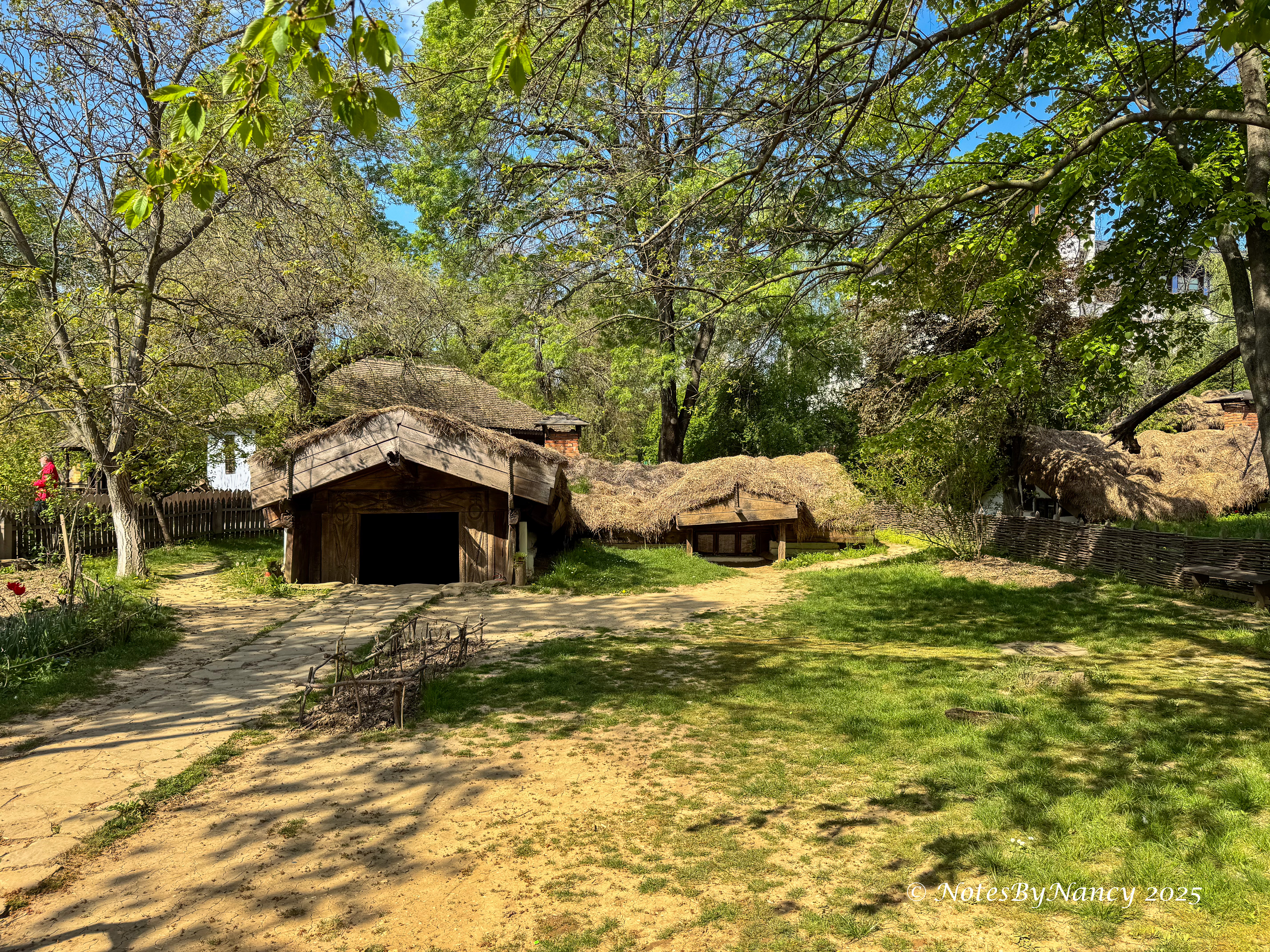
Village Museum
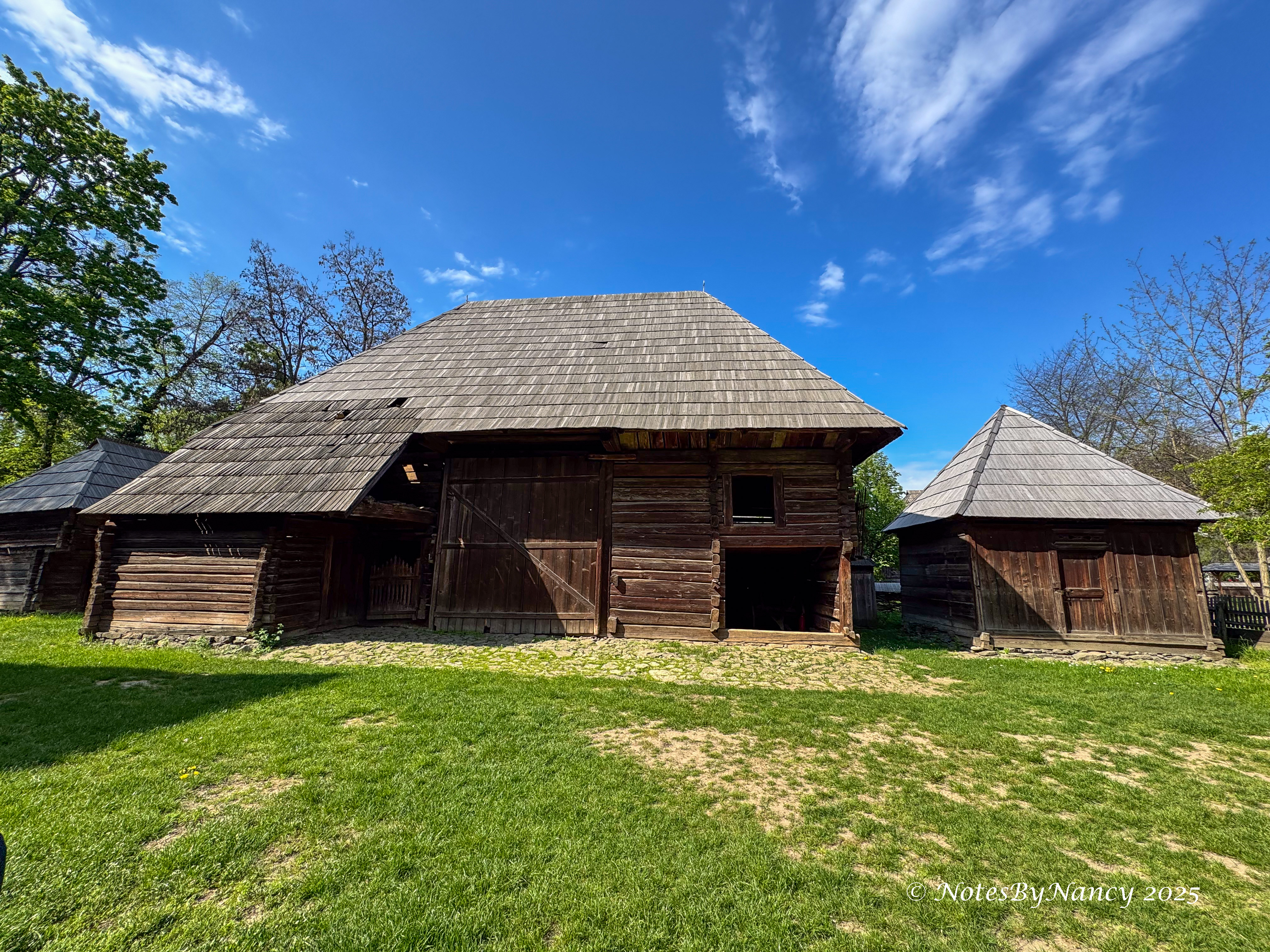
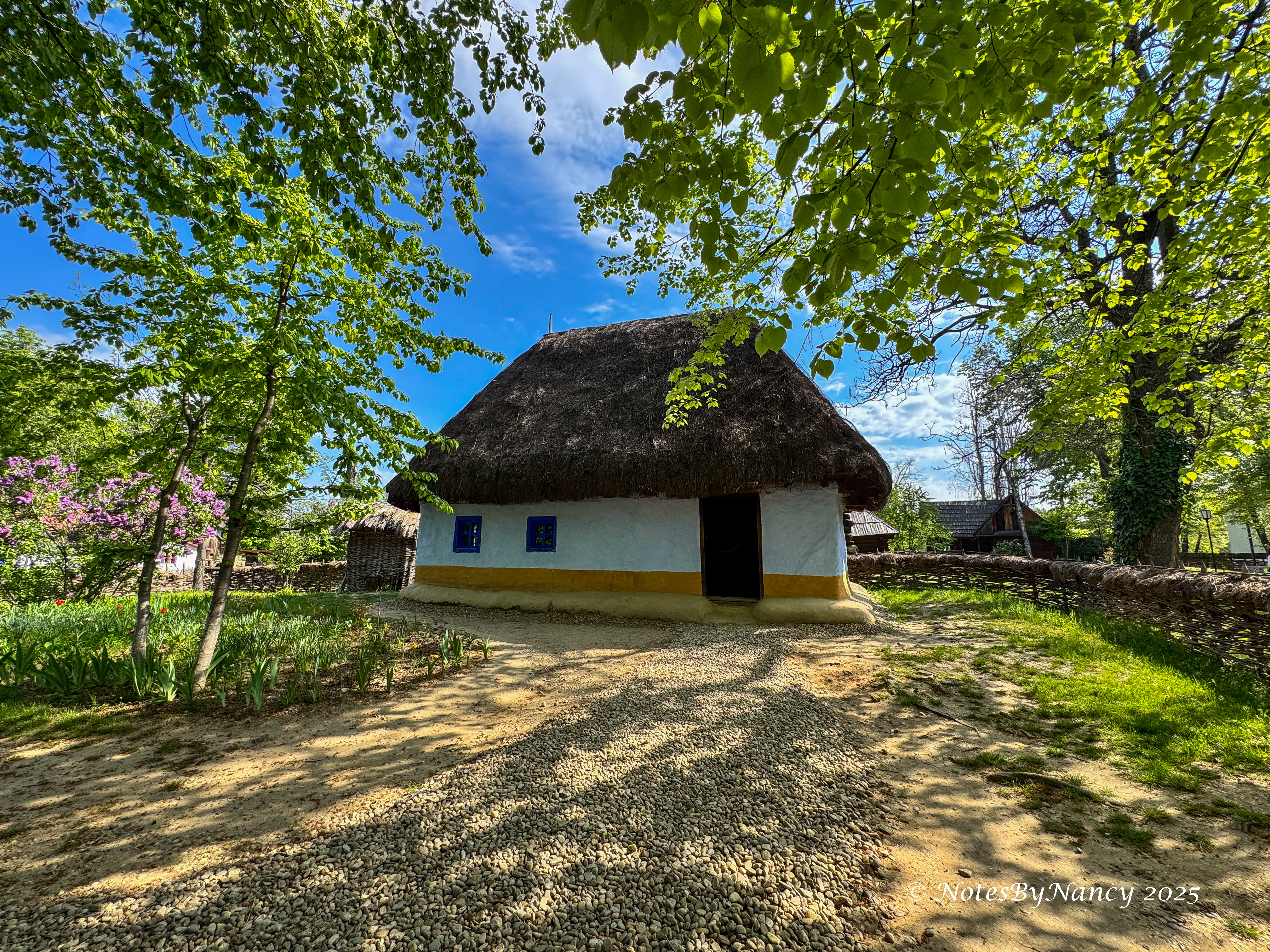
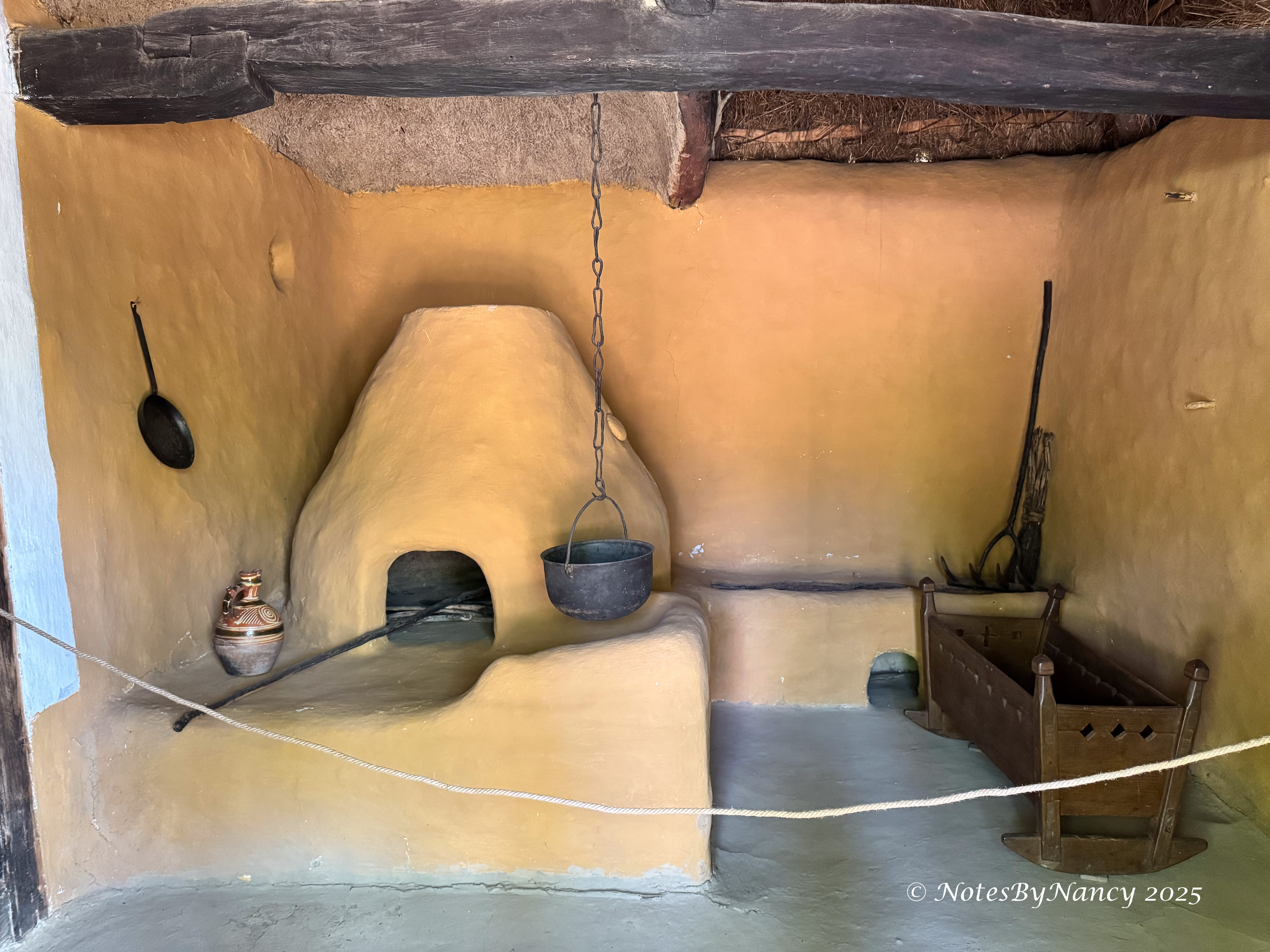
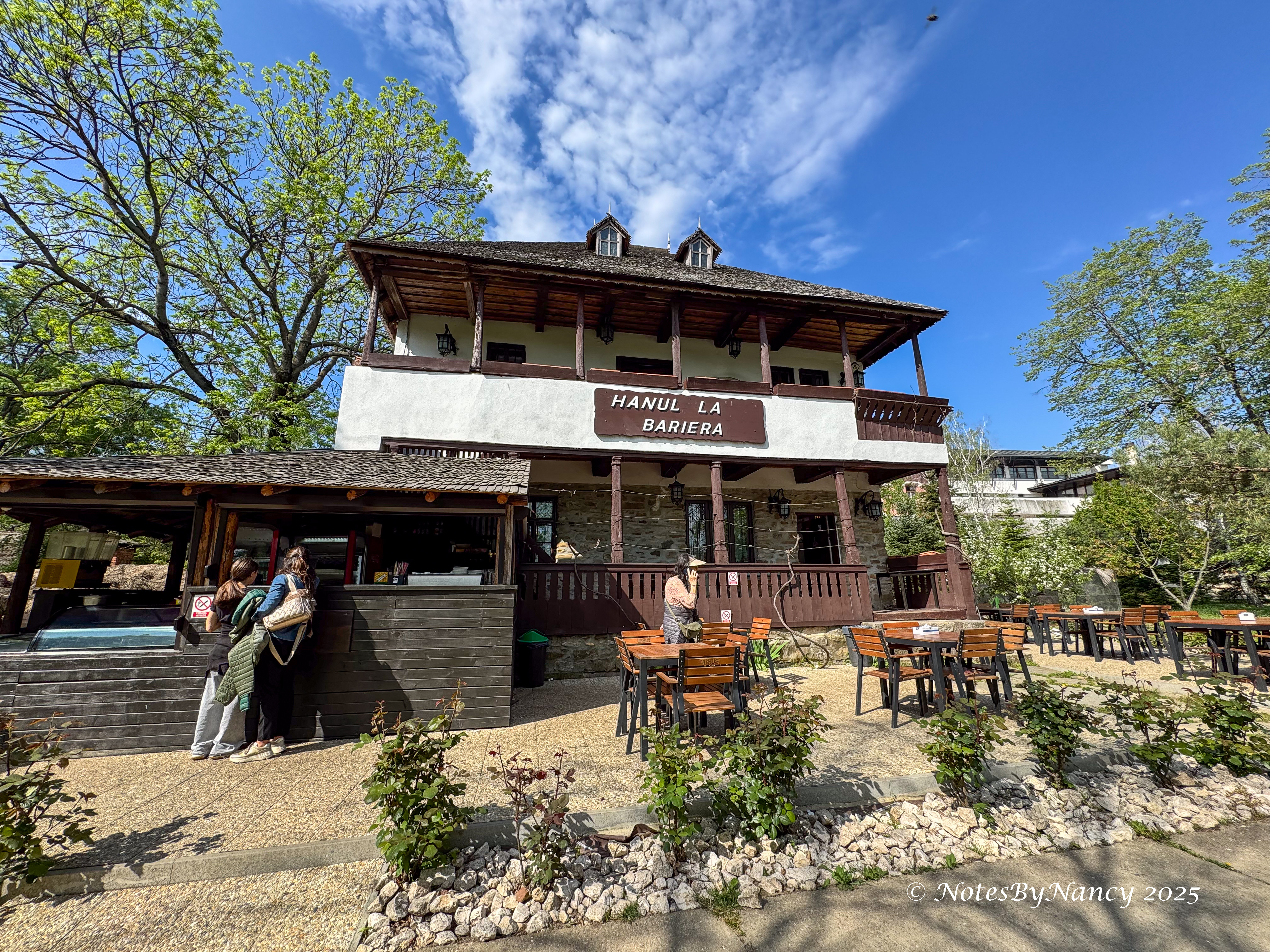
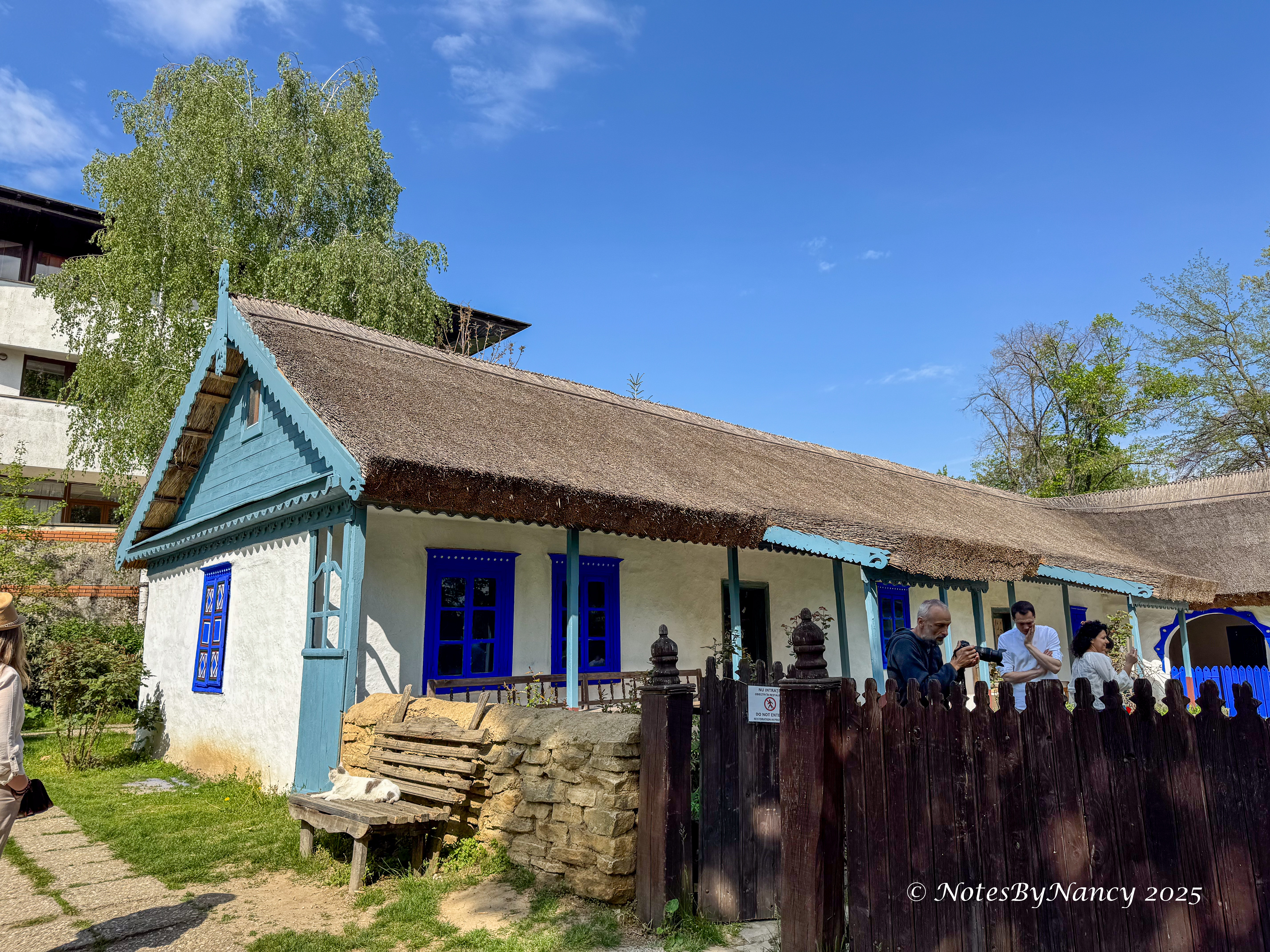
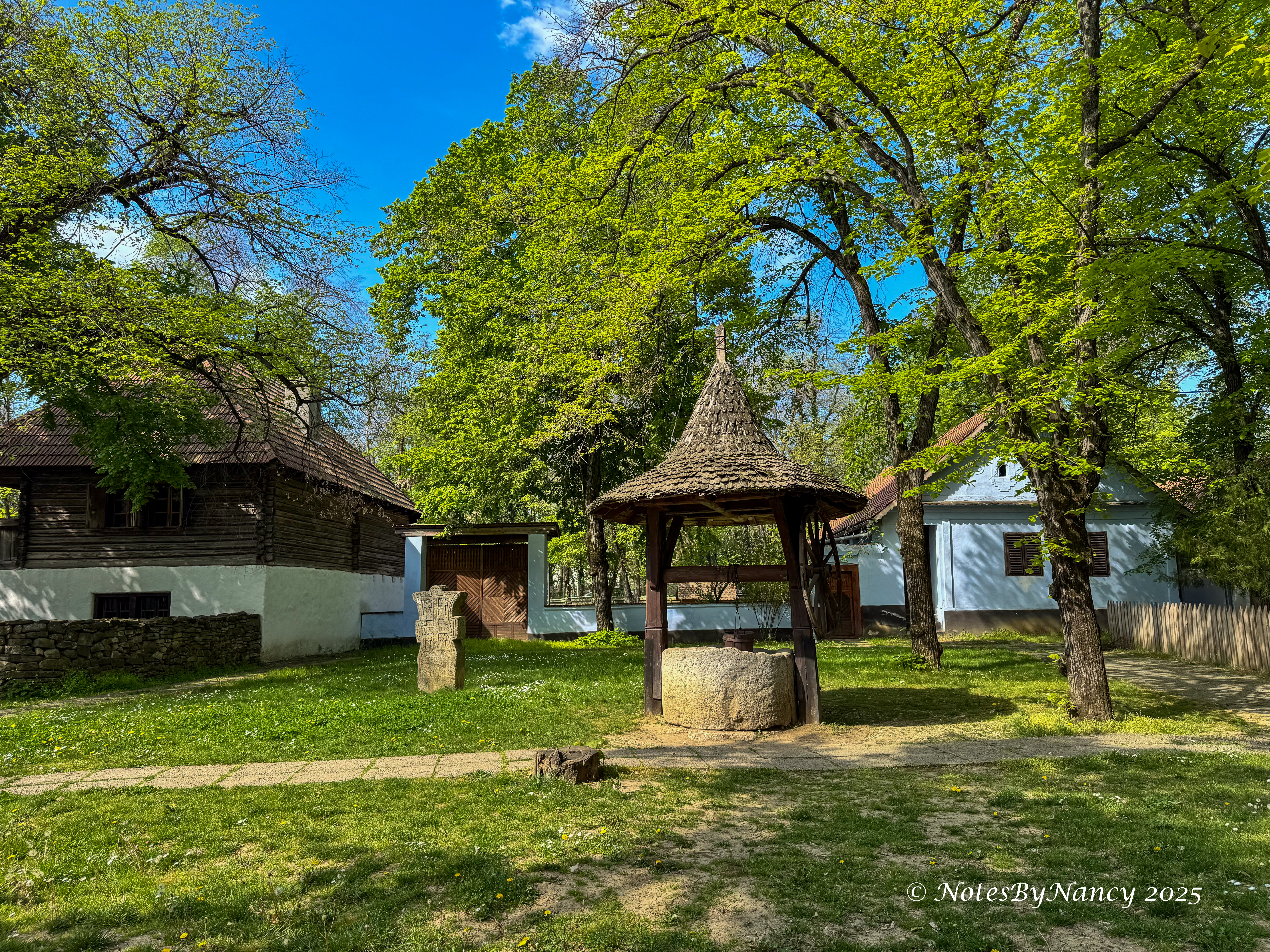
The Village Museum was one of the first open air museums in Europe. It was created in 1936 and is officially known as “National Village Museum Dimitrie Guști” after its founder who was a sociologist. The museum contains buildings and artifacts representative of every region in Romania with examples as early as the 17th century. With Cristi as the guide, he was able to point out the differing construction materials and building types based on availability in the region and climate. For example, fences and roofs made with straw, roofs made with reeds, walls covered with mud, and sturdy timber structures. There were houses, barns, outdoor kitchens, an inn, a church, water mills, windmills, and more from the past 300+ years.

Spring Palace
Next, we went to the “Spring Palace” which was the presidential home of Nicolae Ceauşescu and his family from 1965-1989. Construction on the house had begun under Ceauşescu’s predecessor, but all the interiors were finished under Ceauşescu. Nicolae, his wife Elena, and their 3 children each had their own “apartment” – bedroom/bathroom/sitting area or study. Each of those individual apartments were larger than the average apartment housing a family of five. Extravagant would be selling it short. The marble, the mosaics, the woodwork, the chandeliers, etc. The three walls surrounding the pool (the fourth is glass overlooking the garden) is a mosaic of sea motifs which took 2-3 years to finish by the two artists. Pictures were not allowed, but you can find them easily with a basic internet search.
Cristi made sure that I was there when the English tour was offered and I opted to upgrade to include a 20-25 minute video covering Ceauşescu’s rise to power. It gave his background and included many clips of his speeches – it had English subtitles – which really helped tie the whole story together leading to his and Elena’s dramatic end.
Revolution Square
We then drove to Revolution Square, where Ceauşescu attempted to give a speech to quell the uprising, only to realize too late that the crowd of tens of thousands in front of him were against him. The army “rescued” him by helicopter from the roof of the Central Committee of the Communist Party building, only to take him to jail, convict, and execute both him and Elena 4 days later (December 25, 1989). Unfortunately, the Ceauşescus were not the only casualties as many hundreds of those protesting were also killed over those several days.
As Cristi related, the people were now “free”, but very unprepared for transitioning from Communism to Capitalism. They discovered that their factories and products were antiquated to compete on the world market, so factories shut down, unemployment soared, and they experienced hyperinflation. The 90s were extremely hard times.
Old Town Bucharest
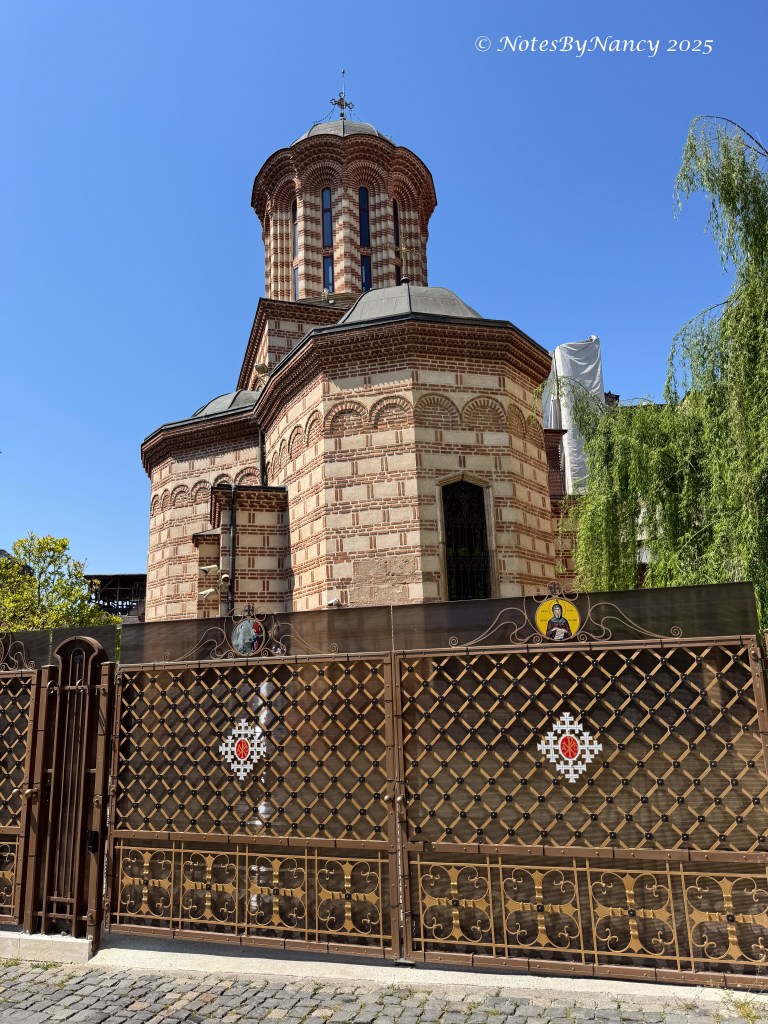
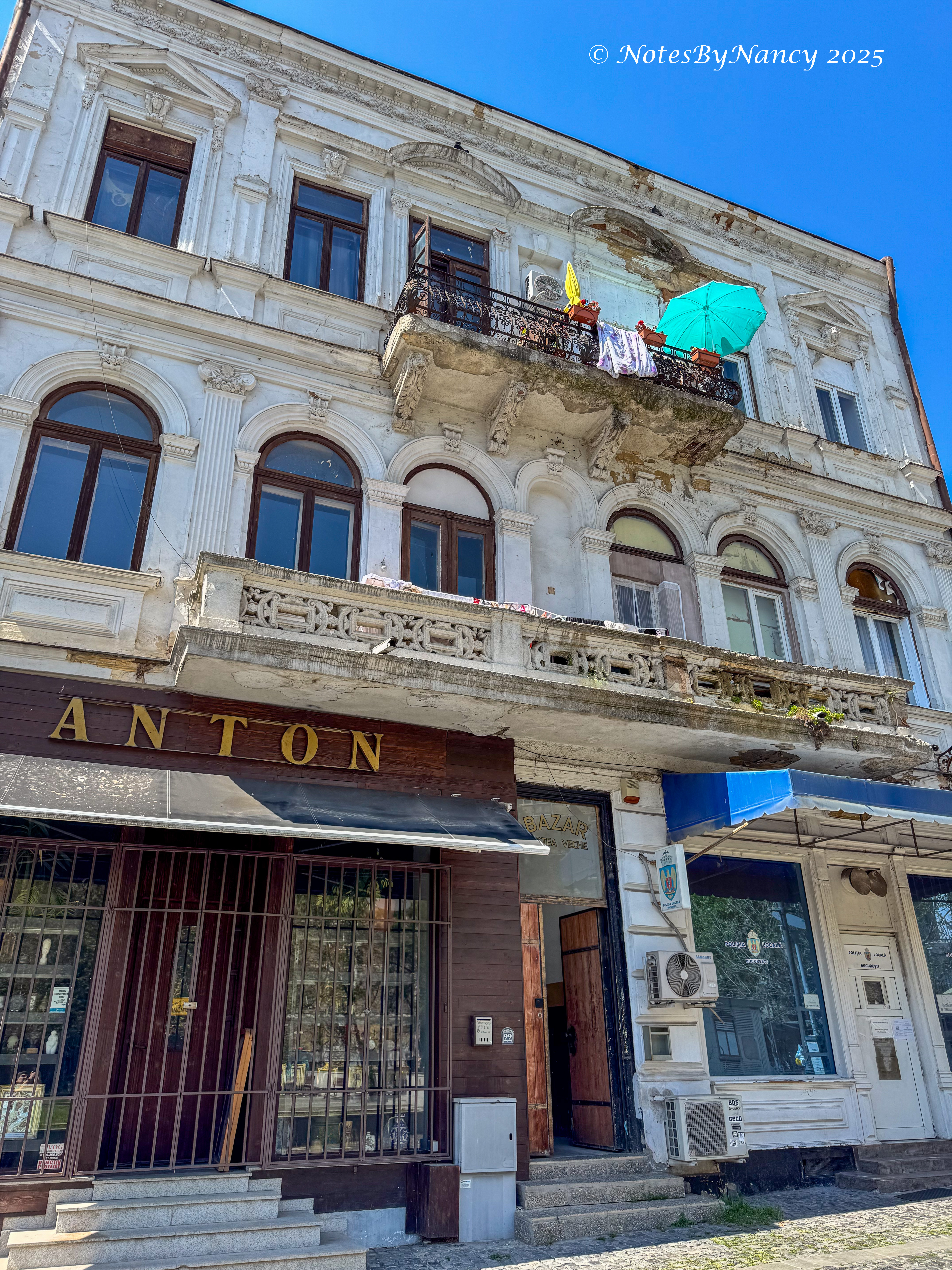
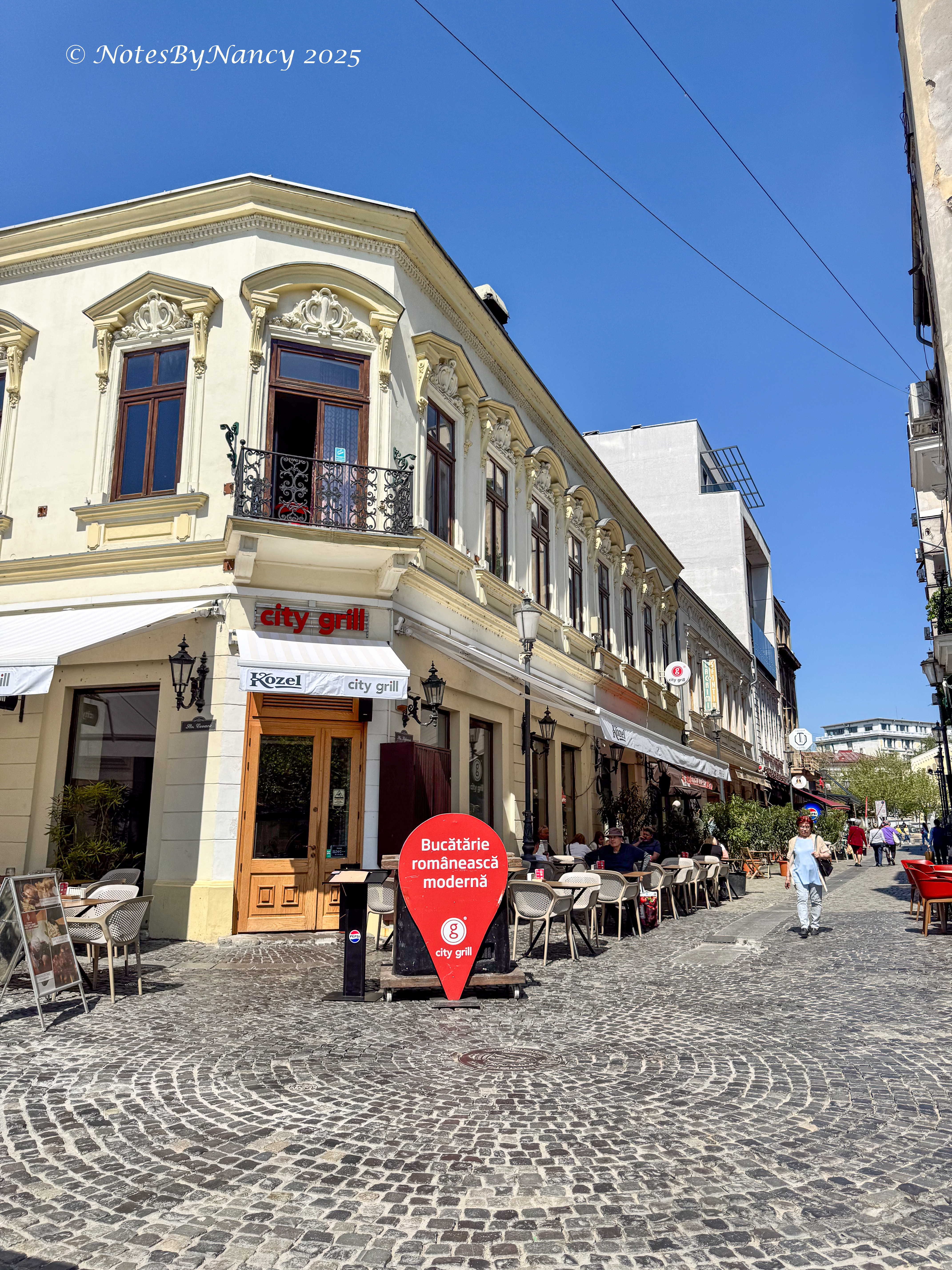
Following that lovely tale, went back in time to the “old town” where most all of the buildings predate the Communist area. Many buildings fell into disarray during the Communist era and many are still somewhat in ruins. However, many have been renovated and today, there are over 500 restaurants, bars, nightclubs, and a few other businesses, including the Bank of Romania. There is also the oldest building, St. Anthony’s Church, originally built from wood in 1659, then rebuilt from brick between 1695-1700.
Next to the church was our lunch stop at Manoc’s Inn, the oldest hotel building in Bucharest from the early 1800s. The restaurant uses the courtyard of the inn and reminded me of beer gardens in Germany. It was good food at a good price for the lunch special as I had a soup, a main (fried cod), a side (fries), and a salad (sauerkraut) for about $10 USD. I didn’t even come close to finishing it all.
After lunch we walked around the area some more with Cristi pointing out various buildings and especially those with a red circular sign indicating that they were dangerous if seismic activity were to occur! In 1977, Bucharest experienced a massive 7.5 earthquake, killing over 1400 people.
I’m really glad that we were able to book Cristi for these two days as tomorrow he is taking one of the Viking groups on their Transylvanian Excursion and after that he begins a stint for most of the summer as a program director for Grand Circle river cruises. If you are ever in Bucharest and looking for a private guide, I can highly recommend him!
Start of Viking Itinerary
Today is Viking check-in day at the hotel. When I returned from the tour with Cristi, I found the Viking representative to confirm our arrival and get the logistics for our Viking tour tomorrow. An optional excursion was offered for the evening called Sights and Flavors of Bucharest (3 hours, moderate), which sold out well in advance. But, we didn’t plan to take it anyway. Bags have to be outside our room at 7:30am for transfer to the ship, check-out by 8:30am, and our tour to Parliament begins at 9:15am. The other two tour options leave at 8:45 and 9am.


 Notes By Nancy
Leave a reply to Note 80 – Passage to Eastern Europe Wrap-up – Notes By Nancy Cancel reply